China travel safety starts with preparation rather than a general promise that every place or trip is risk-free. Save 110 for police, 119 for fire and 120 for medical first aid; keep passport, insurance and embassy details accessible; use licensed transport channels; protect payment accounts; and adapt routes for weather, crowds and mobility needs.
Make emergency planning part of China travel safety
The official source for the emergency numbers used here is the State Council guide for foreign visitors: 110 for personal assault or property crime, 119 for fire and 120 for first aid. Save these numbers with your hotel address in Chinese and your insurance assistance number. Emergency dispatch may require a clear location, so identify the street, station exit or nearby landmark before calling.
For immigration and entry questions, the National Immigration Administration operates the 12367 service. Your embassy or consulate is the appropriate contact for consular assistance, but it does not replace local emergency services.
Protect passports and booking records
Carry the original passport when a transport, hotel or official process requires it, but avoid repeatedly removing it in crowded public places. Keep secure copies of the identity page, visa where applicable and insurance details separately from the original.
If a passport is lost, the State Council guidance says to report the loss to the local police station immediately. Contact your embassy or consulate and follow the current replacement and exit-document process rather than relying on a generic checklist.
Use transport with a verifiable route
Use official railway channels, station taxi queues or established ride-hailing flows. Confirm the vehicle and destination before starting, and keep the pickup pin on the correct road level. Do not accept an unofficial change of destination or payment method that you cannot verify.
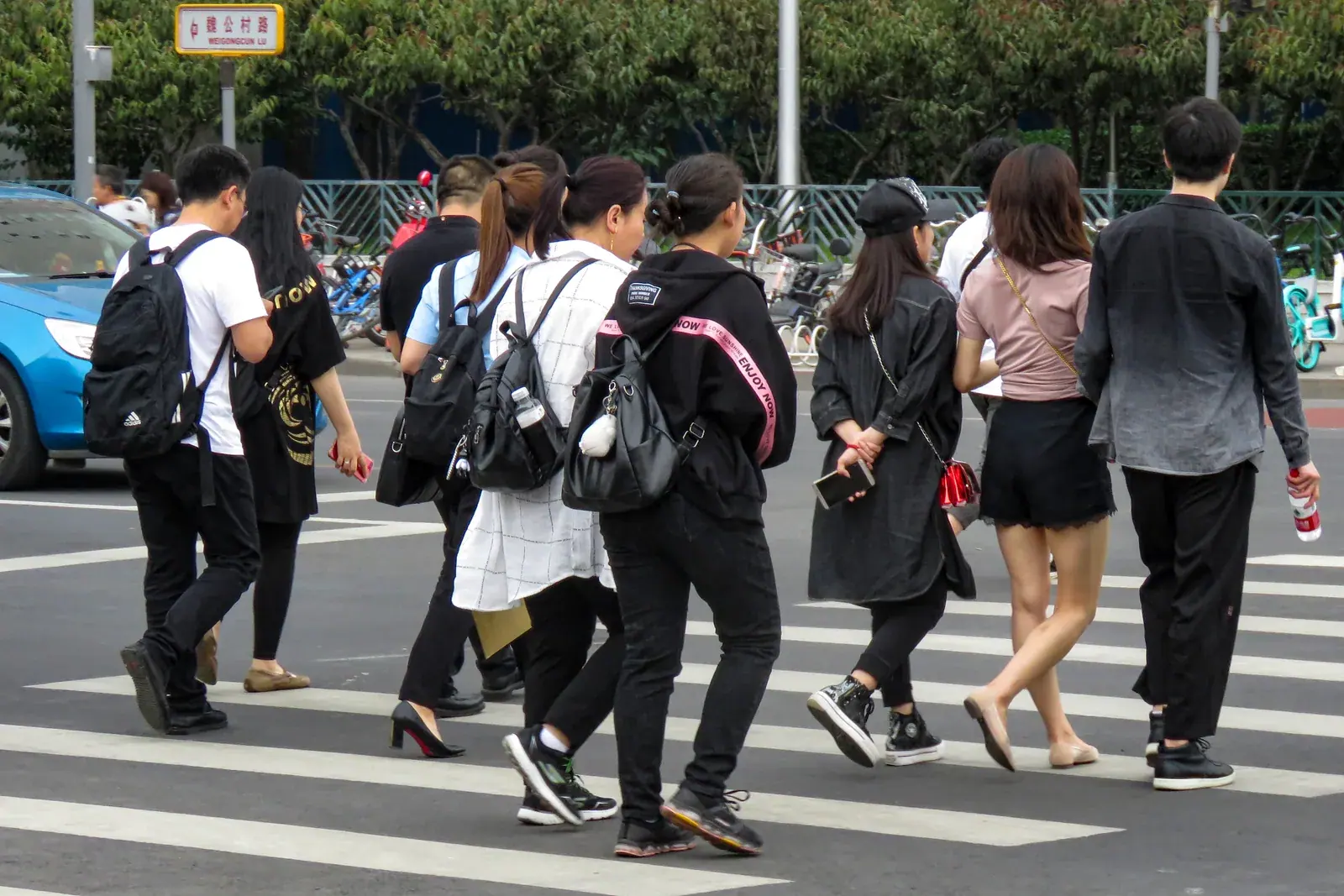
Road crossings, e-bikes and turning vehicles require attention even when the pedestrian signal appears favourable. Keep phones down while crossing and allow extra time when rain, luggage or a crowded station reduces visibility.
Manage crowds, heat and difficult walking routes
Popular attractions and transport hubs can become much slower during holidays and evening peaks. Keep valuables closed, choose a meeting point for groups and do not force a timed booking after a route has already fallen behind.
Heat, humidity, rain, altitude and steep streets affect cities differently. Carry water where appropriate, use footwear suited to stairs and redesign the day for the least mobile traveller rather than depending on a short map distance.
Prepare for health needs
Arrange travel insurance that matches your activities and understand how to contact the assistance provider. Keep medicine in suitable packaging and bring the prescription or supporting documentation recommended for the product and route. Check official import rules when a medicine is controlled or unusual.
Write allergies, medical conditions and emergency contacts in a form that can be shown without mobile data. A translation app is helpful, but urgent information should also exist as a simple offline note.
Reduce payment and account problems
Set up payment apps through official publishers and do not share verification codes or allow a stranger to take control of the phone. Check the merchant name and amount before confirming a QR payment, especially when the screen is being translated or the queue is moving quickly.
Keep a physical card and modest cash separate from the main wallet. Use bank alerts where available and preserve access to the phone number or recovery method needed to freeze an account.
Accommodation and solo-travel routines
Confirm the hotel name, address and late-entry process before leaving for the evening. When staying outside a hotel, check the local accommodation-registration requirement with the host and official channel.
Solo travellers should share the day's key transport and accommodation details with a trusted contact. Use the same practical standards you would apply in another large city: verify rides, avoid isolated shortcuts you cannot navigate, and leave a situation that feels unclear without debating the seller or driver.
Our China travel safety recommendation
We recommend this China travel safety routine for independent visitors moving between unfamiliar cities and transport systems. Treat it as a daily operating checklist, not a guarantee: know the emergency route, protect documents and accounts, use verifiable transport, and change the plan when weather, crowding or health makes the original route unreasonable.
Frequently asked questions
What are the emergency numbers in China?
The official visitor guide lists 110 for police, 119 for fire and 120 for medical first aid.
What should you do if you lose your passport in China?
Report the loss to the local police, contact your embassy or consulate and follow the current official process for replacement travel documents and immigration formalities.
Is travel insurance useful for China?
Yes. Choose cover that matches your health needs and activities, and keep the assistance contact and policy details available offline.
How can tourists avoid payment problems?
Use official apps, verify the merchant and amount, protect verification codes and keep a card plus cash backup.
What safety information should be saved in Chinese?
Save the hotel address, current location or nearby landmark, medical needs and a simple request for police or medical help.
Related guides
Sources reviewed
China State Council: emergency and visitor services National Immigration Administration National Immigration Administration: accommodation registration guidance Image: N509FZ, pedestrians crossing in Beijing (cropped, CC BY-SA 4.0)Keep planning
Turn preparation into a route.
Once the basics are ready, use Chongqing to choose the right neighbourhood and pace.